
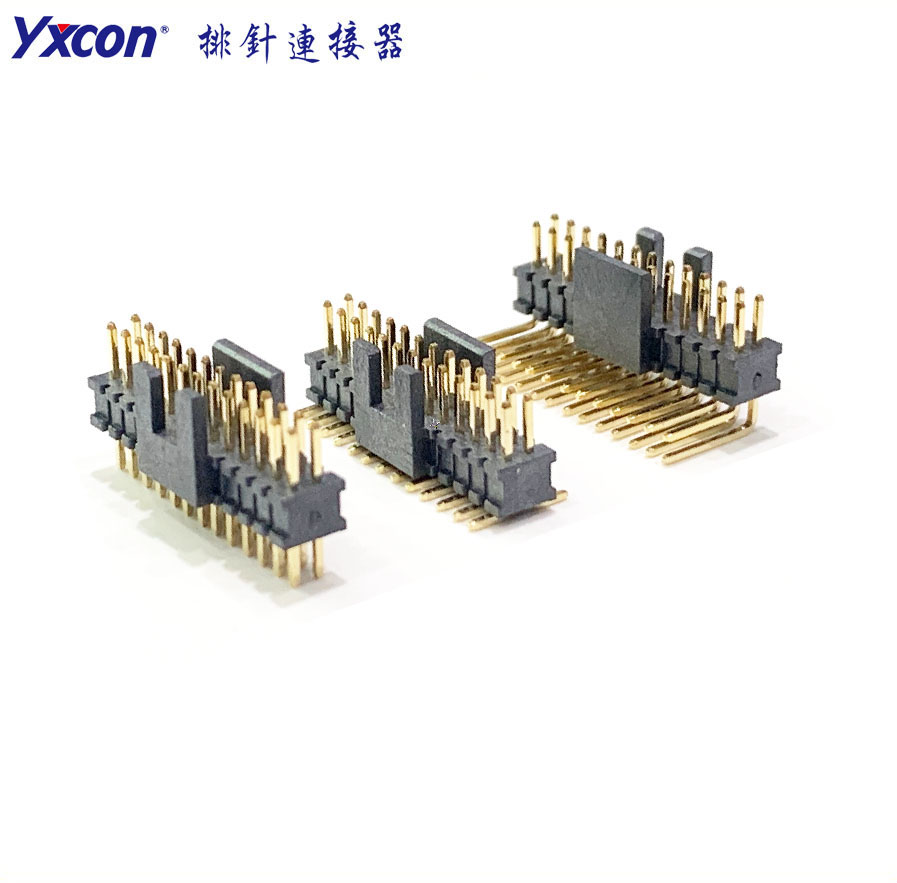
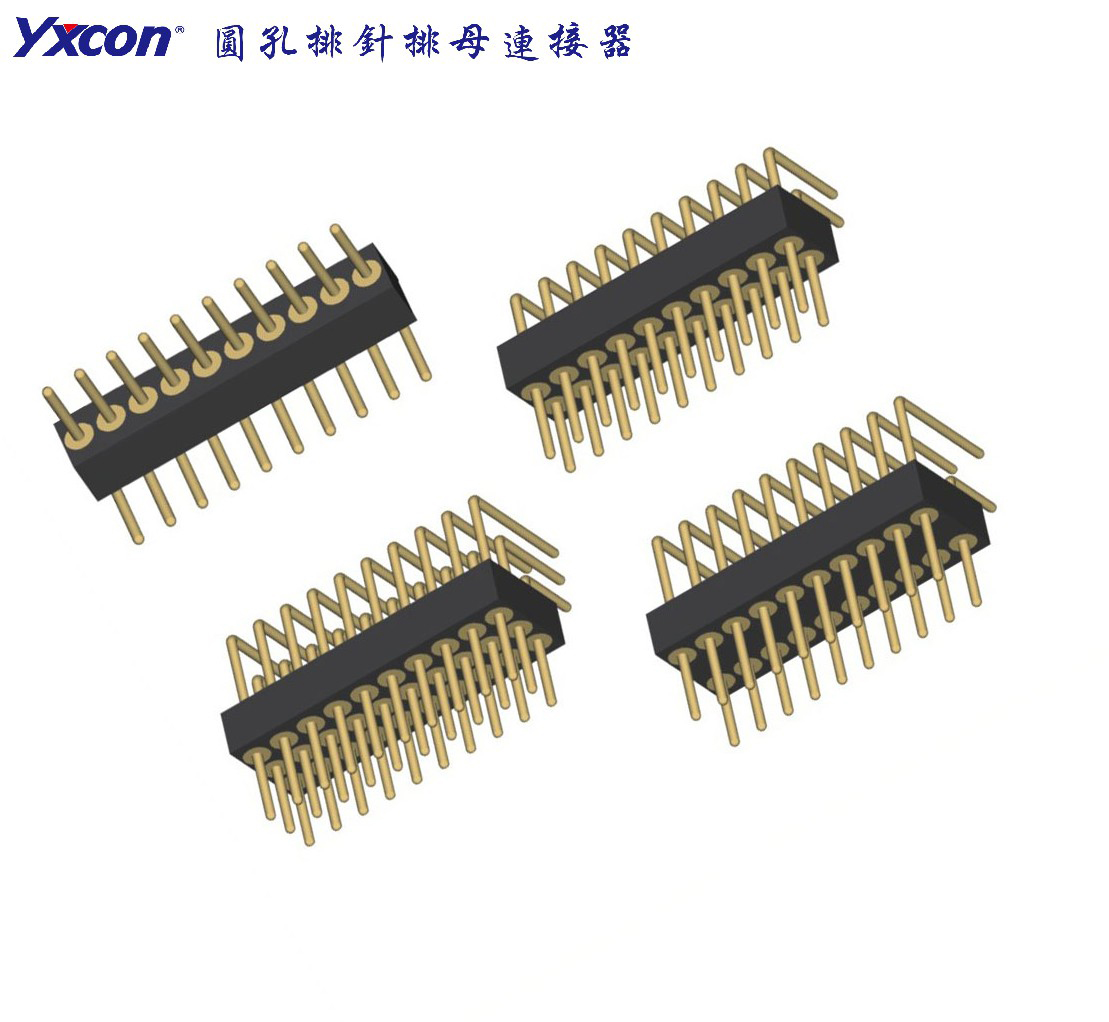
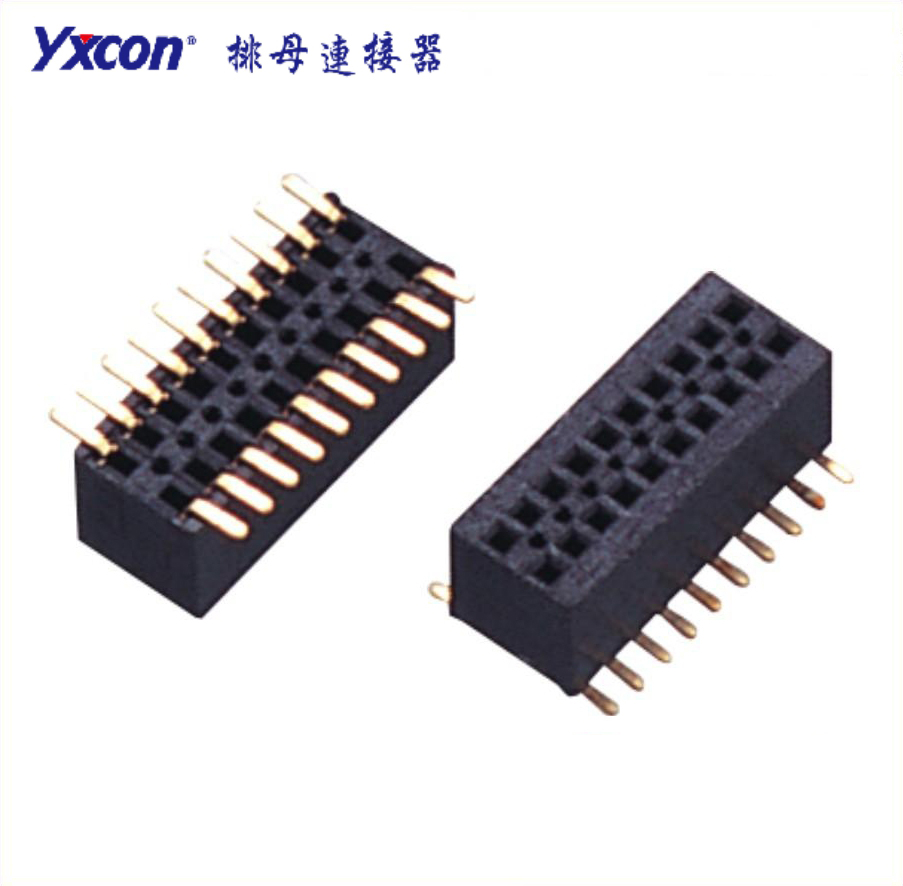



As data transfer speeds continue to soar, Signal Integrity (SI) design has become the cornerstone of high-speed connector performance. This guide explores the critical challenges and proven solutions in high-frequency, high-speed connector design.
1. Fundamentals of Signal Integrity
In high-speed transmission, connectors act as discontinuities in the signal path, leading to reflection, crosstalk, and attenuation. Key design challenges include impedance matching, insertion loss, return loss, and crosstalk suppression.
2. Key Design Techniques
Differential Signal Design: Utilizing differential pair structures effectively suppresses common-mode noise and enhances electromagnetic interference (EMI) immunity.
Shielding Technology: Integrating internal ground shielding layers minimizes crosstalk between adjacent signals.
Material Selection: Using insulating materials with low dielectric constant (Dk) and low dissipation factor (Df) significantly reduces signal transmission loss.
Impedance Control: Achieving target impedance—typically 50Ω single-ended or 100Ω differential—through precise control of contact geometry and dielectric properties.
3. Testing & Validation
Validating SI performance requires TDR (Time-Domain Reflectometry) for impedance characterization, VNA (Vector Network Analyzer) for S-parameter measurements (insertion loss, return loss, crosstalk), and eye diagram testing to verify signal quality.


